AI应用
抑郁少年无处求援?MIT校友创Koko,将心理援助推至年轻人社交前线
AI导读
Rob Morris, SM ’09, PhD ’15, didn’t know where to turn when he first felt symptoms of depression as a teenager: “I had no exposure to healthy coping strategies. I had no vocabulary for what was happening to me.” That experience, he says, has driven his work on Koko, a tech nonprofit that grew ou...
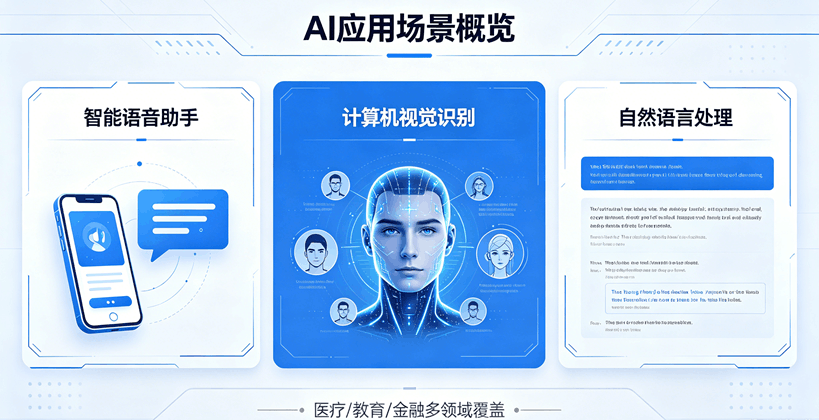
Rob Morris, SM ’09, PhD ’15, didn’t know where to turn when he first felt symptoms of depression as a teenager: “I had no exposure to healthy coping strategies. I had no vocabulary for what was happening to me.”
That experience, he says, has driven his work on Koko, a tech nonprofit that grew out of his PhD work at the MIT Media Lab and aims to “address youth mental health by reaching young people where they are.” And where they are is online—on TikTok, Snapchat, or Discord, or maybe chatting with an AI bot.
In partnership with such platforms, Koko offers free mental-health interventions backed by research and the input of an external ethics advisory board. Its website lets young people in nearly 200 countries help themselves through self-guided tutorials and help each other by sharing brief, anonymous messages of support using applications such as WhatsApp, Discord, or Telegram. —Sara Shay
Read more at www.technologyreview.com/alumni-profiles.
内容声明
本文内容基于公开市场信息与媒体报道进行整理,部分观点来自社区讨论。如涉及事实性问题,欢迎通过 xurj005@163.com 与我们指正,我们将及时核实并更新。